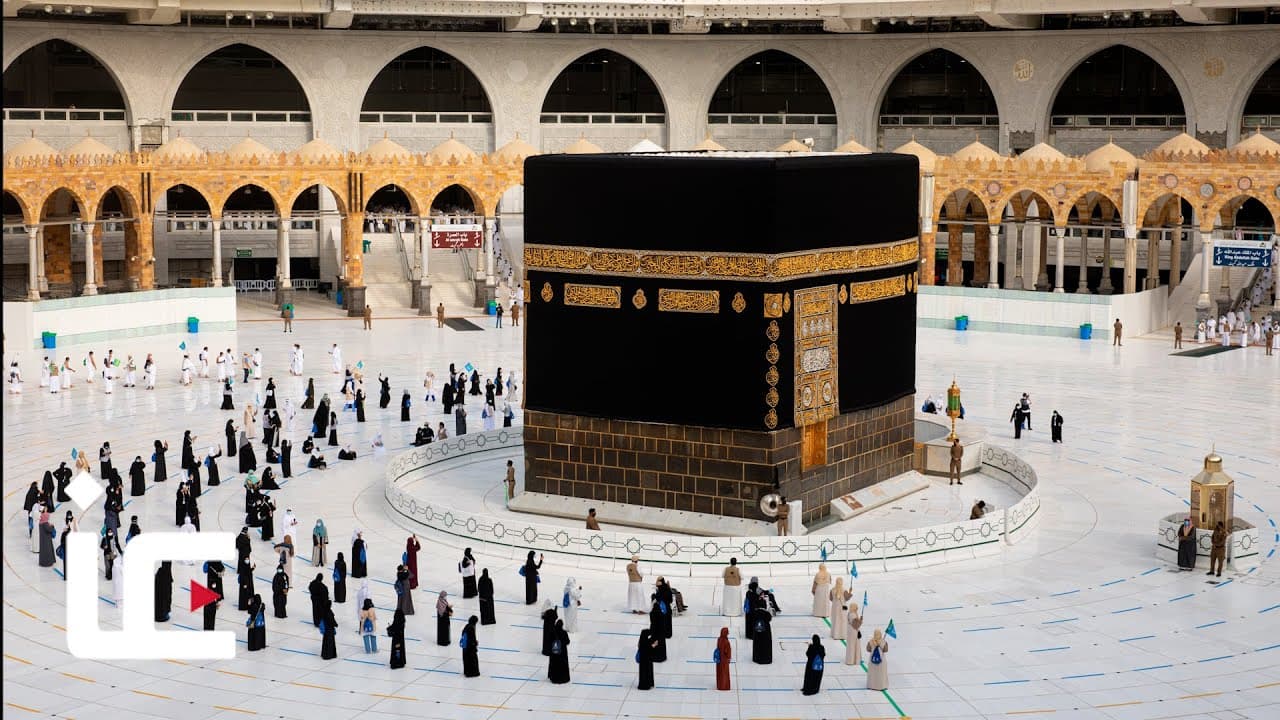
Umrah al-Qada is one of the important events in the Seerah (life and biography) of Prophet Muhammad ﷺ. It tells the story of how the Prophet ﷺ and his companions returned to Makkah to perform Umrah after being prevented from entering the city the previous year. The event demonstrated patience, faith, commitment to an agreement and the importance of fulfilling a promise.
For Muslims learning about the history of Umrah, this event explains why the Treaty of Hudaybiyyah was significant and how a peaceful agreement eventually allowed the Muslims to perform the pilgrimage they had been unable to complete earlier.
What Was Umrah al-Qada?
Umrah al-Qada, also written as Umrah al-Qada, was the Umrah performed by Prophet Muhammad ﷺ and his companions in 7 AH, following the agreement made at Hudaybiyyah in the previous year. The Quraysh had prevented the Muslims from entering Makkah in 6 AH, so the agreement allowed them to return the following year and stay for three days to perform Umrah.
The event is recorded in Sahih al-Bukhari, including narrations about the agreement and the Prophet’s ﷺ return to Makkah. You can read the historical account in Sahih al-Bukhari, Hadith 4251.
The name “Qada” is commonly understood in this context as referring to making up or fulfilling the Umrah that had been postponed. It is also sometimes translated as the compensatory Umrah.
Background: What Happened at Hudaybiyyah?
To understand Umrah al-Qada, it is important to look at the events that took place one year earlier.
In 6 AH, Prophet Muhammad ﷺ set out towards Makkah with his companions intending to perform Umrah. Their purpose was religious rather than military: they wanted to visit the Sacred House of Allah and carry out the rites of pilgrimage.
However, the Quraysh of Makkah prevented them from entering the city. The situation led to negotiations between the Muslims and Quraysh at Hudaybiyyah, outside Makkah.
After discussions, both sides reached a peace agreement. One of its important conditions was that the Muslims would return to Madinah that year and come back the following year to perform Umrah. They would be allowed to remain in Makkah for three days, and their weapons would be limited according to the terms of the agreement.
Although the companions had travelled with the intention of performing Umrah, they did not enter Makkah to complete the pilgrimage that year. They followed the agreement and returned to Madinah.
The experience was difficult for the Muslims, who had hoped to visit the Kaaba. Yet the Treaty of Hudaybiyyah became a major turning point in Islamic history.
Why Was the Treaty of Hudaybiyyah Important?
The Treaty of Hudaybiyyah showed that peace and patience could be more beneficial than immediate confrontation. Some of its conditions appeared difficult for the Muslims at the time, but the agreement created an opportunity for a period of peace and further development of the Muslim community.
For the companions, the promise of returning to Makkah the following year meant that their intention to perform Umrah had not been abandoned permanently. They had to wait, trust Allah and honour the agreement.
This background is essential to understanding Umrah al-Qada. The following year’s pilgrimage was not an isolated event; it was the fulfilment of an agreement made after a tense and challenging situation.
When Did Umrah al-Qada Take Place?
Umrah al-Qada took place in 7 AH, during the Islamic month of Dhul-Qa'dah, approximately in 629 CE. Exact Gregorian dates may differ slightly between historical chronologies because the Islamic calendar is lunar.
The Prophet Muhammad ﷺ and his companions travelled from Madinah to Makkah in accordance with the terms agreed at Hudaybiyyah. They entered Makkah and remained there for three days, as reported in Sahih al-Bukhari.
For a direct account, see Sahih al-Bukhari, Hadith 4252.
The Full Story of Umrah al-Qada
1. The Muslims Prepare to Return to Makkah
When the agreed time arrived, Prophet Muhammad ﷺ prepared to return to Makkah with his companions. The journey carried special meaning because they were returning to fulfil the intention they had been unable to complete the previous year.
The Muslims travelled with the purpose of worship and followed the conditions of the peace agreement. Their return was a practical demonstration of patience and commitment. They had accepted the delay at Hudaybiyyah, and now they were able to proceed with the pilgrimage.
Traditional Seerah accounts describe a substantial group of Muslims accompanying the Prophet ﷺ. The precise number can vary across historical presentations, so it is best to consult the specific narration being followed when quoting an exact figure.
2. The Prophet ﷺ Enters Makkah
The Prophet ﷺ and his companions entered Makkah under the terms of the treaty. For the Muslims, this was a deeply meaningful moment: they were finally able to approach the Sacred House and perform the worship for which they had set out the year before.
The return also showed the importance of honouring agreements. Despite the difficult circumstances of the previous year, the Muslims had waited until the agreed time instead of disregarding the terms of the treaty.
The visit was limited to three days under the agreement. The Muslims therefore had to complete the rites of Umrah within the permitted period.
3. Performing Tawaf Around the Kaaba
One of the central rites of Umrah is Tawaf, in which pilgrims walk around the Kaaba seven times in worship of Allah.
During Umrah al-Qada, the Prophet ﷺ and his companions performed the rites of Umrah at the Sacred Mosque. For Muslims today, Tawaf remains one of the defining acts of the pilgrimage and a moment of devotion, humility and remembrance of Allah.
The historical importance of this Tawaf lies not only in the act of worship itself, but also in the circumstances under which it became possible. The Muslims had been prevented from entering Makkah the previous year, yet they returned peacefully in accordance with the agreement.
4. Completing Sa'i Between Safa and Marwah
Another essential rite of Umrah is Sa'i, the walk between the hills of Safa and Marwah. Pilgrims complete seven circuits between the two points, beginning at Safa and ending at Marwah.
Sa'i commemorates the struggle and trust in Allah associated with Hajar (peace be upon her), who searched for water for her son Ismail (peace be upon him).
As part of Umrah, Sa'i connects pilgrims with a history of faith, perseverance and reliance upon Allah. The Muslims performing Umrah al-Qada completed the pilgrimage rites, including the practices associated with the Sacred House.
5. Completing the Umrah
After completing the rites, pilgrims leave the state of Ihram by shaving or shortening their hair, according to the applicable rules of Umrah. The Prophet ﷺ and his companions completed their pilgrimage in keeping with the agreement.
The three-day limit was part of the historical conditions at Hudaybiyyah. When the agreed period ended, the Muslims departed from Makkah.
This completion was significant because the journey that had been postponed in the previous year could now be fulfilled. The episode became an enduring part of the Seerah and the history of Muslim pilgrimage.
6. The Muslims Leave Makkah After Three Days
Sahih al-Bukhari reports that the Prophet ﷺ performed Umrah the following year and left Makkah after staying for three days, in accordance with the agreement.
This detail highlights the Muslims’ observance of the treaty. They completed their worship and departed when the agreed period ended.
The event is remembered as an example of fulfilling commitments, maintaining patience during difficulty and carrying out religious duties within the terms of a peaceful agreement.
Why Is Umrah al-Qada Significant in Islamic History?
Umrah al-Qada is important for several reasons.
First, it fulfilled the agreement made at Hudaybiyyah. The Muslims had been prevented from entering Makkah in 6 AH, but the treaty provided a peaceful opportunity to return the following year.
Second, it demonstrates the importance of patience. The companions had to accept a delay in performing Umrah, even though they had travelled with the intention of worship.
Third, the event illustrates the value of honouring agreements. The Muslims returned at the agreed time, performed their rites and left when the permitted period ended.
Finally, Umrah al-Qada forms an important part of the wider story of the Prophet’s ﷺ relationship with Makkah. It came before the later events that changed the course of Islamic history, including the Conquest of Makkah in 8 AH.
Did the Prophet Muhammad ﷺ Perform Umrah al-Qada?
Yes. The Prophet Muhammad ﷺ performed Umrah al-Qada in 7 AH, after the Treaty of Hudaybiyyah allowed the Muslims to return to Makkah. Sahih al-Bukhari records that he entered Makkah under the agreement, stayed for three days and then departed.
This is why Umrah al-Qada is a key event for anyone studying the Prophet’s ﷺ life and the history of Umrah.
Was Umrah al-Qada the First Umrah of Prophet Muhammad ﷺ?
Umrah al-Qada is commonly described as the first Umrah that the Prophet ﷺ actually completed by entering Makkah and performing its rites after the earlier attempt at Hudaybiyyah had been stopped.
When discussing the Prophet’s ﷺ Umrahs, it is important to distinguish between the attempted pilgrimage at Hudaybiyyah and the Umrah completed the following year. The former ended before the Muslims entered Makkah; the latter fulfilled the agreement and allowed them to perform the rites.
This distinction helps explain why Umrah al-Qada is sometimes referred to as the Prophet’s ﷺ first completed Umrah in Makkah, while historical and hadith sources discuss his Umrahs in more than one context.
Lessons Muslims Can Learn from Umrah al-Qada
1. Patience During Difficult Times
The Muslims did not achieve their goal during the first journey to Hudaybiyyah. They accepted the situation and waited until the following year. Their experience reminds Muslims that a delay does not necessarily mean a goal has been lost.
2. Keeping Promises and Agreements
The Muslims returned to Makkah according to the treaty and left after the agreed three days. The episode underlines the importance of respecting commitments, even when circumstances have previously been difficult.
3. Trust in Allah
The journey demonstrates how faith can help people remain steady through uncertainty. The companions continued to follow the Prophet ﷺ and carried out their worship when the opportunity arrived.
4. Peaceful Solutions Can Have Lasting Benefits
The Treaty of Hudaybiyyah created the conditions that allowed Umrah al-Qada to take place. The event is a reminder that resolving conflict through agreement can open doors that confrontation may keep closed.
5. The Spiritual Importance of Umrah
Umrah is more than a journey to a destination. It is an act of worship that calls for sincerity, humility and remembrance of Allah. The story of Umrah al-Qada adds historical depth to the rites Muslims perform today.
What Can Modern Umrah Pilgrims Learn from This Story?
For Muslims planning Umrah today, the story offers both spiritual and practical reminders. The Prophet’s ﷺ experience highlights the importance of preparation, patience and following the rules that apply to the journey.
Pilgrims should learn the basic rites of Umrah before departure, understand the current travel and entry requirements, keep their documents organized and follow official instructions. Requirements can change, so travellers should verify the latest information before booking or travelling.
If you are preparing for your own pilgrimage, you can explore Umrah packages with Travels Hook and review the services and arrangements relevant to your journey. Compare what each package includes, such as flights, accommodation, transfers and support, before making a decision.
Conclusion
Umrah al-Qada is a meaningful chapter in the life of Prophet Muhammad ﷺ. After being prevented from entering Makkah in 6 AH, the Prophet ﷺ and his companions returned the following year under the Treaty of Hudaybiyyah, completed their Umrah and departed after the agreed three days.
The story is a reminder that patience, faith and honouring commitments are important parts of Muslim life. It also helps modern pilgrims appreciate the history behind Umrah and approach their own journey with greater understanding and sincerity.
May Allah grant Muslims the opportunity to visit His Sacred House, perform Umrah with sincerity and return home safely. Ameen.
Historical Sources and Further Reading
For readers who wish to study the event in more detail, consult these sources:
Historical accounts may differ in some secondary details. Where possible, readers should refer to the original hadith wording and reliable Seerah scholarship rather than relying on unsourced retellings.